What does a fractional CFO actually do, and is it different from a bookkeeper?
The Short Answer
A fractional CFO gives a business owner what a large company gets from a finance department: monthly numbers that arrive on time, a cash-flow forecast, industry benchmarks, and a model for every major decision. A bookkeeper records; a tax planner reduces; a CFO decides with the owner. For tax planning, the CFO's job is to establish how much cash can safely fund a strategy before it is proposed.
Key points
- A bookkeeper records what has already happened, a tax planner reduces what is owed, and a fractional CFO decides with the owner.
- Fractional means the CFO function is delivered part-time, which is how a smaller business affords senior financial leadership at all.
- A fractional CFO delivers monthly numbers that arrive on time, a forward cash-flow forecast, industry benchmarks, and a model for every major decision.
- Bookkeeping and the tax return look backward; the CFO function looks twelve to thirty-six months ahead and helps the owner steer.
- For tax planning, the CFO establishes how much cash the business can safely commit to a strategy before the strategy is proposed.
What is the difference between a bookkeeper, a tax planner, and a CFO?
The three financial roles a small business relies on are often blurred into one, which leaves owners either paying for work they are not getting or assuming they have coverage they do not. Keeping them distinct makes clear what a fractional CFO adds.
A bookkeeper records what has already happened. They enter transactions, reconcile the bank and credit-card accounts, categorise expenses, and produce clean financial statements. This is essential and everything else depends on it, but it is backward-looking by nature. A tax planner reduces what is owed. They look at structure, compensation, timing, and the strategies available to the industry, and they work to lower the tax bill lawfully. That answers one question, how to pay less tax, rather than how to run the business. A fractional CFO decides with the owner, and the word fractional simply means the function is delivered part-time, at a fraction of the cost of a full-time hire.
What does a fractional CFO actually deliver?
What a fractional CFO provides is what a large company gets from an entire finance department. Monthly numbers that arrive on time and are read, not just filed. A cash-flow forecast that looks forward rather than back. Benchmarks that compare margins and costs against others in the same field. And a financial model for every major decision before it is made, so a hire, a lease, an equipment purchase, or a price change is tested on paper first.
The distinction that matters most is direction. The bookkeeper and, to a large degree, the tax return look at the past. The CFO looks at the next twelve to thirty-six months and helps the owner steer toward them. An owner with a bookkeeper and a tax preparer can have tidy records and a filed return and still have no one asking whether the business can afford its next move or where it is heading.
How does a CFO fit into tax planning?
A tax strategy almost always has a cash cost before it has a tax benefit: funding a retirement plan, buying and placing equipment in service, prepaying an expense. The CFO's job is to establish, before any strategy is proposed, how much cash the business can safely commit without breaching its operating cushion or its tax reserve.
That way the plan that lands on the table is one the business can execute, rather than one that saves tax on paper while creating a cash squeeze in practice. The CFO function and the tax function work together: one sizes what is affordable, the other designs what is advantageous, and the owner decides with both in view.
When does a business not need a fractional CFO?
A fractional CFO does not replace the bookkeeper or the tax preparer. The forecast and the model are only as reliable as the reconciled ledger beneath them, so a business without clean monthly books needs bookkeeping fixed first, and the return still has to be prepared and filed by a preparer.
The function also has a size threshold. A single-owner business with predictable revenue, few employees, no debt, and no major purchase or hire on the horizon has little for a CFO to model, and the fee buys reports rather than decisions. The CFO earns its place when there are decisions with real cash weight: a second location, a large equipment purchase, a partner buy-in, a bank facility, or a sale on the horizon.
Watch Mena explain this
Related strategies
More in CFO & cash
People also ask
- How much cash should my business keep?
- How do I know whether my margins are normal for my industry?
- What is the difference between a tax preparer and a tax strategist?
- Can I do tax planning if my books are a mess?
- What should I do with cash sitting in my business account?
- Should I buy or lease equipment, tax-wise?
Sources
Related guides: cfo
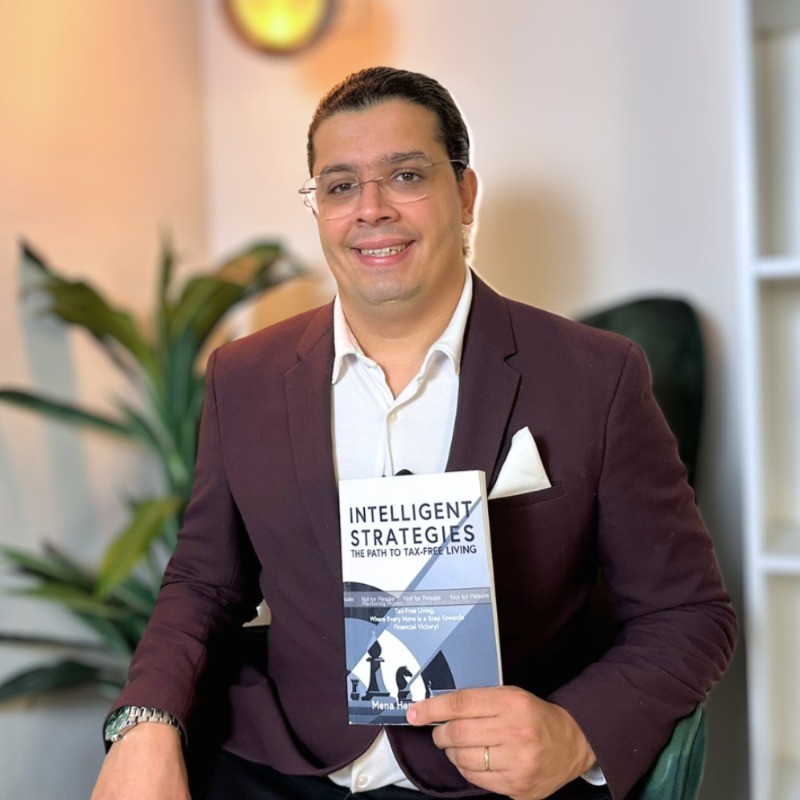
Mena Hemaia, CPA, CIA
Chief Executive Officer, Accountack — West Palm Beach, Florida
If you want to know which of these apply to your business specifically, that is a conversation about your actual numbers — not a seminar example.
Or start with the Free Cash Clarity Audit — A no-cost review of where your business stands and what a planning engagement would target — the firm's own named starting point.
20 minutes with an Accountack advisor. If a technical review is worth your time, the next step is a workshop with Mena — and if there is nothing material to do, he will say so.